Office Hours
Mon/Lunes9:00am - 5:00pmTue/Martes9:00am - 5:00pmWed/Miércoles9:00am - 5:00pmThu/Jueves9:00am - 4:00pmFri/Viernes9:00am - 1:00pmHours may vary due to major holidays and/ or weather.



- Testimonials
“When I came to Jayne, I was having female problems. This was going on for about 6 months.
After receiving treatment from Jayne, I have not had that problem for about 6 months. My digestive tract is much better as well.
Jayne and her staff are some of the world’s greatest.”
-T. S Oct 2013
“I have been seeing Jayne Dabu for 2 years, and have noticed an improvement in my joint pain, intestinal disorder, cholesterol, weight loss, and blood pressure. Before I came to Jayne, I was using a lot of anti-inflammatory drugs, but since I have been using her protocol I have not needed to use any of those drugs. I have more energy than I have had in years.”
–E.A.
Neck pain on both sides. After 1st treatment most pain was gone and after the 2nd treatment all the pain was gone and a overall feeling of comfort was gained.
–B. H

Acupuncture
Acupuncture Wrapped: An overview of some of the most exciting discoveries in 2020
As we enter a new year, it is natural to want to look back on the last one. As humans, we have the gift and the hurdle of marking time, so it can feel helpful to recall memories we want to hold on to or look for lessons we can take with us.
To that end, here are three categories in which research into the type, application and efficacy of acupuncture saw significant advancements in 2020, findings that will certainly help guide us as we move forward. In a year that saw so much focus on our health, these findings offer some good news in the fields of pain management without opioids, migraine headaches, and insight into why it is that acupuncture is effective as an anti-inflammatory. continue reading
Intention setting in the new year
It’s that time of year again: the time when many of us engage in the practice of setting a new year’s resolution.
It seems, though, that hand-in-hand with new year’s resolutions is the prediction of inevitable failure. That as soon as you pick a resolution, you won’t actually make it through the whole year sticking with the new behavior, or that by the third week of January the resolution will be out of sight, out of mind. So, I wanted to offer some tips on how to join in the tradition in a way that might foster more success, by incorporating some wisdom from traditional Chinese medicine. continue reading
Winter and your Kidneys

In Traditional Chinese Medicine, health is achieved by living in balance with nature and the seasons. Winter, the season of the Water Element, is the season for slowing down, reflecting, and conserving our resources. We all feel this tendency, but we don’t always listen to our bodies. In Western culture, being active is rewarded and expected. We feel compelled to keep up the hectic pace that is typical in our daily lives.
This season is associated with the kidneys, bladder, and adrenal glands and the time of year when these organs are most active, accessible, and even vulnerable. They are more receptive to being restored, nurtured, and energized. At the same time, it is also when they can become easily depleted. continue reading
You’re Getting Sleepy…
Enjoying Naps in the Winter Season
Most mammals are polyphasic sleepers, meaning that they sleep for short periods throughout the day. For humans, days are divided into two distinct periods, one for sleep and one for wakefulness, which is a monophasic sleep pattern. However, this may be a product of living in an industrialized world and not the natural sleep pattern of humans. In many cultures, young children and elderly take naps midday. Our bodies are programmed for two periods of intense sleepiness a day: between 2 and 4 am and 1 and 3 pm. Unfortunately, despite our biological vestige, we are having to consolidate our sleep into one long period. continue reading
What Is Seasonal Affective Disorder?
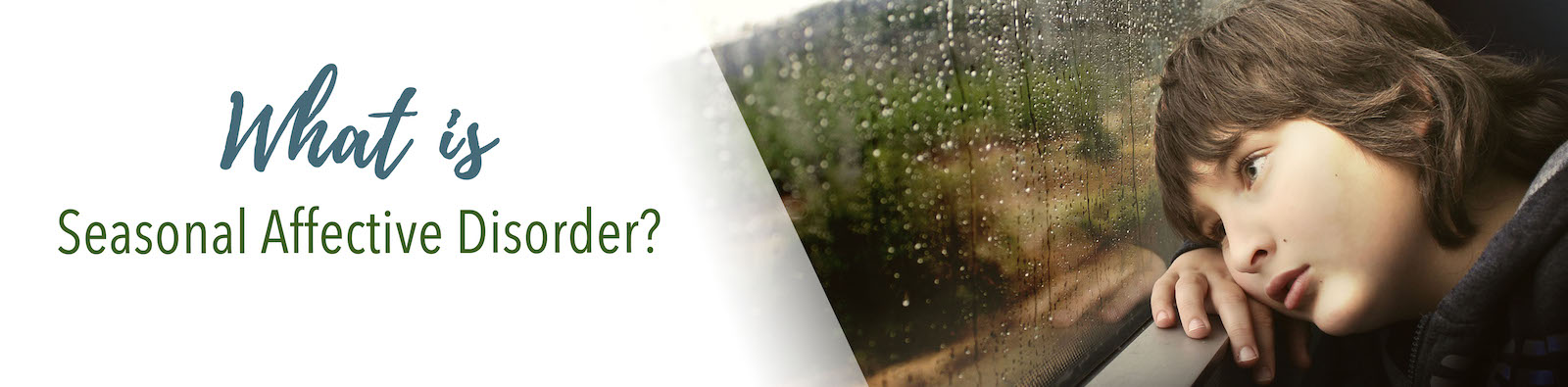
Seasonal Affective Disorder (SAD) is a condition believed to be linked to a lack of sunlight where the individual experiences mood changes and emotions similar to depression. SAD occurs mostly in the Fall and Winter months when there is less sunlight exposure.
It’s found that around 5 percent of people may experience SAD lasting 40% of the year (especially in areas with less sunlight such as the Pacific Northwest and other Northern regions), and it is more common in women than in men. continue reading