Office Hours
Mon/Lunes9:00am - 5:00pmTue/Martes9:00am - 5:00pmWed/Miércoles9:00am - 5:00pmThu/Jueves9:00am - 4:00pmFri/Viernes9:00am - 1:00pmHours may vary due to major holidays and/ or weather.



- Testimonials
We tried to get pregnant for two years and we were unsuccessful. I came for acupuncture and was able to get pregnant. Now we have a beautiful little boy.
-J.L June 2015
Before coming to Lotus Acupuncture & Holistic Health Clinic, I had daily nose bleeds (Oslo -Weber), hoarseness of the voice, and a clogged nose. I felt that I had to accept how my health was, it is what it is and that I had to just deal with it.
I noticed that after the 1st week, I had minor improvements, like less hoarseness and clogging. After 4 weeks of treatment, I had fewer nosebleeds- it had reduced from 3 to... Read more »
Before I came to Lotus Acupuncture & Holistic Health Clinic, I was struggling with digestive disorders and also kidney problems (I had an urgent need to urinate).
I felt unsure and bit confused with my health, but after 8 weeks of seeing Jayne Dabu I noticed that I had no more digestive problems or the urgent need to urinate. I feel great about my results and improvements.
I highly recommend Jayne Dabu because she is very kind, knowledgeable about health... Read more »
Before seeking treatment at Lotus Acupuncture, I felt sluggish, anxiety, had intestinal problems.
I have done both acupuncture and Nutritional Response Testing (NRT). My immune system is stronger, diet on track; which has stabilized my intestinal tract, digestion and alleviated bloating + GERD symptoms. Sleeping has improved and outlook on overall health has improved.
Everyone at Lotus Acupuncture is great- my experience has been more than I could have imagined. My health is much improved both physically and mentally.
-C.Z... Read more »
Before seeking treatment at Lotus Acupuncture, I felt out of sorts and irritated at the amount of acne I still had at 22 years old.
After several weeks of treatment, I feel great! My face gets better and more improved each week. I feel using Acupuncture and Manual Lymphatic Drainage, improved the results of using Nutritional Response Testing. Also writing out the food journals helped me pin point foods that were irritating my body.
–A. R. April 2014

Health WellNews
Boost Your Immune System Using These Two Points
Lu 7 and St 36
Although they are invisible to the naked eye, we are exposed to millions upon millions of germs. Bacteria, viruses , fungi and protozoa are found on nearly every surface, including doorknobs, furniture, office supplies, phones, remote controls, and even the food we eat. Thankfully, most of these germs are harmless and pose no direct threat to our health, but there are others which aim to cause infection and illness. You can safeguard yourself against these foreign invaders, however, by utilizing the Lu 7 and St 36 acupuncture po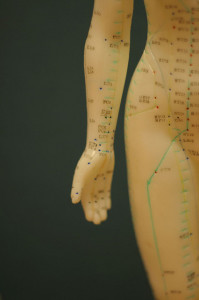 ints.
ints.
Lu 7 Acupuncture Point
The Lu 7 (also known as the Lieque 7 or Lung 7) is an acupuncture point that’s commonly used to treat bodily infections while subsequently boosting the immune system. To locate it, form a “thumbs up” gesture with your hand and look for the small crease in your skin at the base of your thumb. The Lu 7 acupuncture point is found roughly 2 finger-lengths up the wrist from this crease. It’s most easily identified by feeling around this area of your wrist for a subtle depression at the bottom of two tendons.
Lu 7 is known to offer relief of the following symptoms:
- Sore throat
- Runny nose
- Nasal congestion
- Chest congestion
- Body aches
- Fever
- Headache
- Muscle cramps
Stu 36 Acupuncture Point
The St 36 (also known as Zusanli, Leg Three Mile or Stomach 36) is another powerful immune-boosting acupuncture point. Don’t let its name fool you into thinking it’s located on the stomach, though. St 36 is actually located on the underside of the leg, directly behind and below the patella.
St 36 receives its namesake for the symptoms it’s used to treat. While Lu 7 focuses on cold and fever-like symptoms, St 36 is used more digestive problems.
Lu 7 is known to offer relief of the following symptoms:
- Constipation
- Diarrhea
- Acid reflux
- Heartburn
- Gas
- Low energy
How Lu 7 and St 36 Can Improve Immune System Function
The human body’s built-in mechanism for defending against germs and foreign invaders is the immune system. This complex system is comprised of a variety of different white blood cells, such as neutrophilis, eosinopholis, monocytes and basophils, that actively seek out and neutralize harmful germs. Acupuncture treatments using the Lu 7 and St 36 stimulate the immune system so it produces more of these “fighters,” which in turn keeps us healthy while protecting against disease and illness.
Photo Credit: Thunderchild7 via Flickr Creative Commons.
6 Tips To Keep You Strong and Healthy This Fall
According to the Centers For Disease Control and Prevention (CDC), approximately 5-20% of people in the U.S. will catch the flu virus, 200,000 of whom will be hospitalized due to the complications (source). Although you can catch the flu virus at any time of the year, it’s far more prevalent during the fall and winter months. To protect yourself against the flu, colds and other illnesses this fall, check out the following 6 tips.
#1) Stay Active
Exercise plays a direct role in the human body’s immune function. Whether it’s running, jogging, playing tennis, or using your preferred machine at the gym, physical activity stimulates white blood cells and antibodies, sending them throughout the body. This improves the immune system’s ability to fight off infectious diseases, so be sure to exercise on a regular basis this fall.
#2) Increase Your Vitamin C Intake
Vitamin C is a naturally occurring antioxidant that can improve your health and protect against illness. A study conducted in 2007 found that a daily 200 milligram dose of vitamin C when taken at the onset of a cold shortened its duration by 8% in adults and 14% in children. With fall and winter being the prime time of year for colds, it’s a good idea to supplement your daily diet with at least 75 milligrams of this powerful antioxidant.
#3) Cut Back on Refined Sugars
Consuming too much refined sugar can increase your risk of developing type II diabetes, obesity and cardiovascular disease. It’s also been proven to suppress the immune system, leaving individuals more susceptible to disease and illness.
So, how sugar should you consume to stay healthy throughout the fall season? The American Heart Association (AHA) currently recommends a maximum of 37.5 grams of refined sugar per day for men and 25 grams for women.
#4) Eat Fall-Colored Foods
Yet another way to improve your health is to eat more fall-colored foods. Generally speaking, the more color you have on your dinner plate, the better. Foods that are bright orange, red and green are all excellent sources of vitamins and antioxidants. Some ideas include squash, bell peppers, zucchini and broccoli, all of which will help keep you healthy this fall season.
#5) Make a Soup
There’s no better time than the chilly fall season to make a hearty beef and vegetable soup. Avoid store-bought soups, which are usually loaded in sodium and preservatives, and instead make your own from scratch. This allows you to include a variety of beneficial vegetables and seasoning, tailoring it to your own personal preference.
Summertime Foods
As the weather grows warmer we often become more active and participate in a variety of outdoor activities. An ideal summer diet is light and filled with fresh foods with high water content, and brightly colored with summer fruits and vegetables.
Foods for a Summer Diet
BEANS
- Adzuki
- Garbanzo
- Green
- Kidney
- Sprouted
FRUIT
- Apricot
- Avocado
- Banana
- Blackberry
- Blueberry
- Cantaloupe
- Grapes
- Grapefruit
- Lime
- Mango
- Nectarine
- Orange
- Papaya
- Pineapple
- Peach
- Pear
- Plum
- Raspberry
- Strawberry
- Watermelon
GRAINS
- Brown rice
- Millet
- White rice
NUTS
- Almonds
HERBS
- Chili pepper
- Chives
- Cilantro
- Fennel
- Green tea
- Mint
- Parsley
- Peppermint
SEEDS
- Pumpkin
- Sesame
- Sunflower
VEGETABLES
- Beets
- Cabbage
- Carrot
- Celery
- Chard
- Collard greens
- Corn
- Cucumber
- Green peas
- Lettuce
- Parsnip
- Radish
- Rhubarb
- Spinach
- Squash
- Sugar peas
- Sweet potato
- Tomato
- Yams
- Zucchini
Each organ has a specific flavor that affects it. Foods with a bitter taste stimulate the function of the heart. These include green leafy vegetables such as endive, escarole, lettuce and watercress, coffee, tea and chocolate. These foods can nourish the heart, but consumed in excess do more harm than good.
Raw fruits, fresh salads, cool soups and lightly cooked meals of grains and vegetables are adequate this time of year for healthy, vigorous adults. Sprouted vegetables and grains can be mixed in with a variety of dishes to help maintain a cool body temperature.
You can even add a bit of spicy, pungent or fiery flavors. At first, spicy, fiery foods may raise the body temperature, but ultimately they can draw body heat out to the surface where it can be dispersed. For this purpose you can cook with red and green hot peppers, fresh ginger, red pepper, black pepper or cayenne. But don’t overdo it. Keep your summer spice intake to a minimum.
If you are sautéing foods, use high heat for a short period of time. When simmering or steaming foods, do it as quickly as possible so you can retain the fresh tastes.
Consuming heavy foods on hot days can make you feel sluggish and slow down your digestion. Such foods include eggs, grains, seeds, nuts and meats. As a rule of thumb, eat heavier meals in the morning or evening. This type of summer diet can help you feel lighter in the heat of the day, maintain your energy, and aid in weight loss.
For better digestion and assimilation of nutrients, avoid mixing too many foods together at one sitting. Fruits and juicier foods are best eaten alone or between meals. Summer heat along with too many cold drinks can weaken digestive organs and impair digestion; too much ice cream and iced drinks are best avoided.
Summer invites us to become more active. Just be sure to stay hydrated by consuming enough water, juices and herbal teas.
The Season of Summer
Ahh, summer…
time for long, sunny days, warm weather, and brightly-blooming gardens. But the season is also significant in another way. According to Traditional Chinese Medicine (TCM), the body’s Organ systems are most accessible during specific times of year. During the late summer, the Spleen and Stomach are most active and most open to influence both positive and negative.
The Spleen and Stomach are associated with the Earth element, as well as certain colors, sounds, times of day, and other correspondences (see table). The Earth element is related to security, feeling grounded and the natural rhythms of life.
The Spleen performs many functions, including:
- Transforming food and fluids into energy
- Transporting energy to muscles, flesh and limbs
- Ensuring that blood circulates throughout the body
- Producing a “lifting” effect, keeping the internal organs in place
- Governing our capacity for thinking and concentration
The Stomach is paired with the Spleen, and helps to digest food and transform it into energy. When the Spleen and Stomach are in balance and Qi (“life energy”) is flowing freely through them, the body will have physical energy and vitality, good muscle tone, a healthy appetite and good digestion. The Spleen and Stomach can be affected by many factors, including poor diet and eating habits, lack of exercise, excessive concentration, worry and stress.
If your Spleen and Stomach are out of balance, you may experience uncomfortable symptoms (see table on front). Even if you’re not experiencing symptoms, it’s an especially good time to receive preventive acupuncture care. Acupuncture and Traditional Chinese Medicine provide a natural approach to restoring and maintaining balance. When we strive for optimal balance, we achieve good health throughout the year.
By allowing Qi to flow freely, acupuncture can help your body heal itself and help you make the most of all the energy and fun of summer!
Food for Body, Mind, Spirit
Acupuncture and the Heart
Research has shown that acupuncture can improve the health of patients who experience severe heart problems by dramatically reducing the activity in the sympathetic nervous system that regulates heartbeat and blood pressure.
The study conducted through the Los Angeles School of Medicine suggests that acupuncture can be used “successfully with long-range results in improving hypertension, and it may also be beneficial in lowering sympathetic nerve activity.”
Overactivation of the sympathetic nervous system is common with patients who suffer from heart problems. Over time, this may cause the heart to work harder, forcing blood to flow through blood vessels that are constricted due to heightened nerve activity.
The study showed that sympathetic nerve activation was significantly reduced in those individuals who received acupuncture care compared to those who only received a placebo. The lead physician in the study, Dr. Middlekauff, suggests, “that more study is needed before acupuncture can be recommended, but acupuncture has been used successfully and with long-range results in improving hypertension, and it may also be beneficial in lowering sympathetic nerve activity.”
Middlekauff HR. Acupuncture in the treatment of heart failure. Cardiol Rev. 2004 May-Jun;12(3):171-3.
Walk Your Way to Better Health
Starting a new fitness routine can be a little daunting, but improving your health doesn’t have to be complicated. In fact, it can be as simple as putting one foot in front of the other!
Why walk?
Walking is an effective, easy, and low-impact way to improve your health. In fact, regular physical activity such as walking can provide major benefits, including:
- Reduced risk of heart disease
- Weight loss
- Lower blood pressure and cholesterol
- Reduced risk of developing diabetes
- Stress relief
Getting started
Set aside some time in your day, choose a safe route, invest in some comfortable walking shoes, and go! While it’s ideal to get at least 45 minutes of moderate exercise a day, any amount of activity can be beneficial. Remember, start slowly and work your way up if you haven’t been exercising regularly. Aim to walk a short distance three times a week, and increase your distance and speed gradually.
Stay motivated by walking with a partner, listening to music, or choosing a route that you really enjoy. Try carrying a pedometer to keep track of how far you’ve gone. As your body adjusts to the new activity, you may find that you have more energy, your moods feel more balanced, and you feel healthier overall. If you set realistic goals and stick to them, you’ll be amazed at what a simple daily walk can do for your health!
Cool-Out Summer Salad
- 6 medium tomatoes
- 2 small cucumbers
- 4 radishes, sliced
- 2 scallions, minced
- 1 large dill or sour pickle, minced
- 1 bell pepper, minced
- 1/2 cup green olives, sliced
- 1/2 cup red onion, minced
- 1/2 cup fresh parsley, minced
- 3 tbsp. olive oil
- 1 – 2 tbsp. fresh lemon or lime juice
- salt and pepper to taste
Allow salad to marinate for 1 hour.
Cut tomatoes in half, squeeze, discard seeds, and cut into 1/2 inch pieces.
Toss all ingredients together. Serve cool or at room temperature.