
Office Hours
Mon/Lunes9:00am - 5:00pmTue/Martes9:00am - 5:00pmWed/Miércoles9:00am - 5:00pmThu/Jueves9:00am - 4:00pmFri/Viernes9:00am - 1:00pmHours may vary due to major holidays and/ or weather.



- Testimonials
“I have suffered with fibromyalgia for nearly 8 years. My list of symptoms was quite long, and I remember crying at my first appointment with Jayne because I was sick and tired of feeling sick and tired. She listened at great length, and assured me that she would partner with me in my journey to better health. Jayne gave me something that day I have never received from a clinician…HOPE! We decided together that Nutritional Response Therapy and Acupuncture would... Read more »
“I have been able to watch my diet more carefully, eat better and healthier, and have become aware of “bad foods”. I have lost 12 pounds since I started, and my indigestion concerns are much improved.”
–S.G.
“The first thing that comes to mind is my stomach issues. For the first time in my life, I was having cramps that lasted two weeks which I thought was gas at first. I was also a lot more phlegmy after meals and whenever I got a cold. My energy was low and my stress level was a little higher. I have old inuries to my lower back, and my ankle and my neck, which would flare up now and... Read more »

Diet
When Your Next Meal is Part of the Treatment Plan
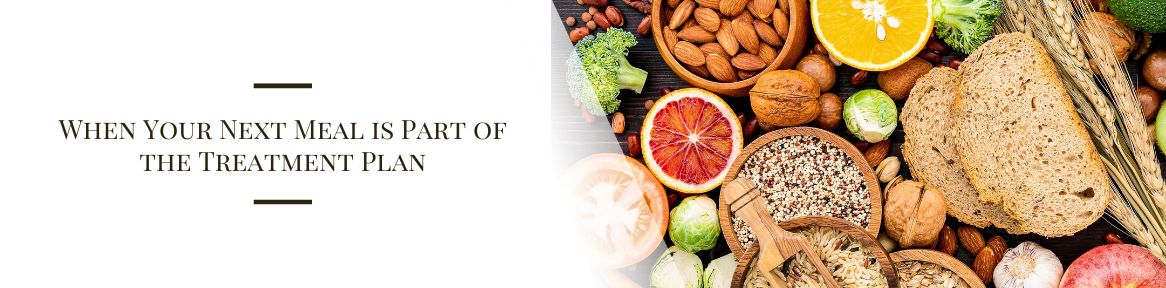
For many chronic health issues, everyday exposures matter most. Food isn’t only fuel. It’s raw material, signaling molecules, and a daily set of “instructions” your body reads repeatedly.
The idea of food as medicine isn’t new. It shows up in traditional healing systems, in public health, and increasingly in modern clinical research. The most useful way to think about it today is practical and evidence-based:
- Food can reduce risk (primary prevention).
- Food can support treatment alongside medical care (adjunct therapy).
- Food can change symptoms by affecting inflammation, blood pressure, lipids, glucose, the gut microbiome, and even brain signaling.
It won’t replace necessary medications or procedures. But in many cases, it can meaningfully shift the trajectory of health and sometimes quickly. continue reading
Why Hydration Is Essential for Life

In our busy lives, it’s easy to underestimate the silent, vital role water plays. We often think of hydration as something necessary only when we’re exercising or sweating profusely. But hydration is critical to everyday health, affecting nearly every system in our bodies. continue reading
The Benefits of the Anti-Inflammatory Diet

When people face a variety of health challenges or simply changes in how they feel and their relationship to food, they may change their philosophy and look to food as medicine. And for those diligent enough to do the research, they may discover the anti-inflammatory diet—a nutritional approach that some say has transformed their life. continue reading
The Benefits of Eating for the Seasons

Restaurants that have revolving seasonal menus have gained in popularity in recent years. The concept of seasonal eating has deep roots. Before the advent of modern agriculture and global trade, people naturally consumed foods that were locally available during specific times of the year. But today, the convenience of supermarkets allows us to eat almost any fruit or vegetable year-round. While this accessibility is convenient, it disconnects us from the natural cycles of food and may not always be the healthiest or most sustainable choice. Let’s delve into the benefits of eating for the seasons and how it can transform your health, environment, and culinary experience. continue reading
Food as Medicine
Mama Always Said: You Are What You Eat
Maybe mom really did know best when it came to nutrition. As research has shown, what we eat can actually impact our health profoundly. Over the years, we have learned that our dietary choices can influence our risk of disease. And some have made it a profitable business to teach us new ways to look at food (anti-inflammatory diet, Keto, heart healthy, etc.). continue reading