Office Hours
Mon/Lunes9:00am - 5:00pmTue/Martes9:00am - 5:00pmWed/Miércoles9:00am - 5:00pmThu/Jueves9:00am - 4:00pmFri/Viernes9:00am - 1:00pmHours may vary due to major holidays and/ or weather.



- Testimonials
Before seeking treatment at Lotus Acupuncture, I felt out of sorts and irritated at the amount of acne I still had at 22 years old.
After several weeks of treatment, I feel great! My face gets better and more improved each week. I feel using Acupuncture and Manual Lymphatic Drainage, improved the results of using Nutritional Response Testing. Also writing out the food journals helped me pin point foods that were irritating my body.
–A. R. April 2014
“The first thing that comes to mind is my stomach issues. For the first time in my life, I was having cramps that lasted two weeks which I thought was gas at first. I was also a lot more phlegmy after meals and whenever I got a cold. My energy was low and my stress level was a little higher. I have old inuries to my lower back, and my ankle and my neck, which would flare up now and... Read more »
Jayne Dabu is the BEST acupuncturist I have ever been too. She is very knowledgeable and thorough. She explains the treatments in detail and spends time answering all my questions. Before treatments, I had muscle spasms in lower left back, nausea, loss of appetite, fatigue, anxious, constipated. I had an injury to my spleen and had faith that the acupuncture treatments will help heal the spleen faster.
After 1st treatment my digestion system immediately felt better. I had an appetite... Read more »

Traditional Chinese Medicine
Chinese & Japanese Acupuncture: Two Traditions, One Lineage
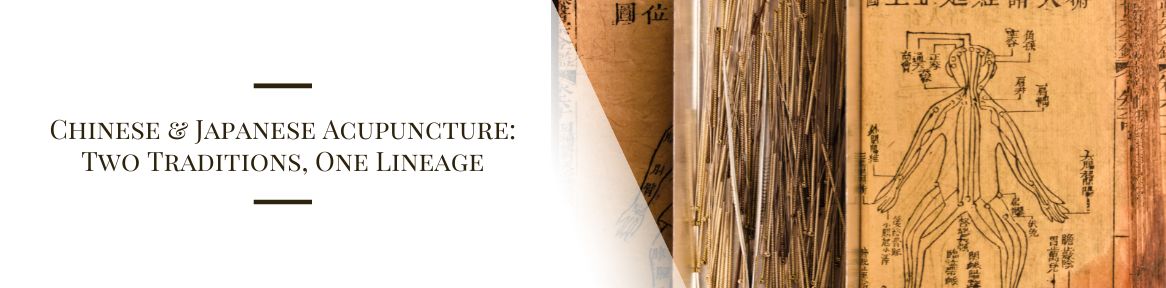
Both Japanese and Chinese acupuncture spring from the same classical East Asian medical roots, yet they diverged over centuries into distinct clinical styles. In Japan, techniques evolved toward gentler, highly tactile methods. And in China, the practice of acupuncture tended to emphasize stronger needle sensation and standardized point prescriptions within Traditional Chinese Medicine, also known as TCM. While some have their preferences, neither is “better” than the other. The right choice often depends on the patient’s condition, sensitivity, and their goals. continue reading
What is Five Element Acupuncture?
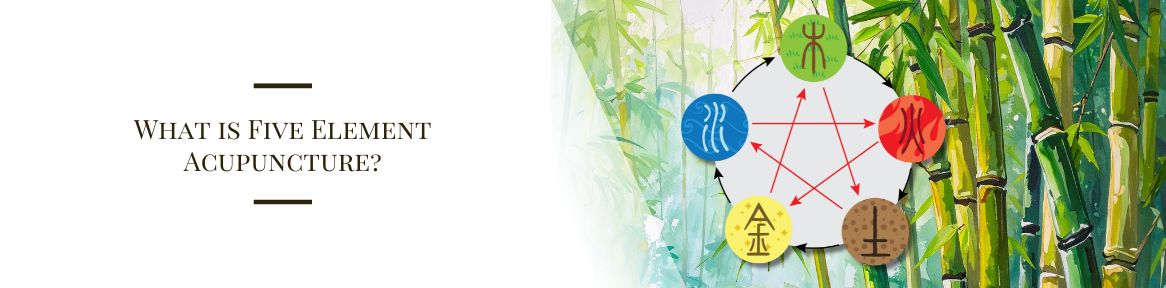
Five Element Acupuncture is a classical style of East Asian medicine that organizes diagnosis and treatment around the dynamic interplay of five phases/elements: Wood, Fire, Earth, Metal, and Water. Each element is associated (in this framework) with organ networks, emotions, sensory patterns, and seasonal cycles. Treatment aims to restore harmony among these elements when one becomes predominant or deficient. continue reading
Pinpointing Migraine Relief with Acupuncture
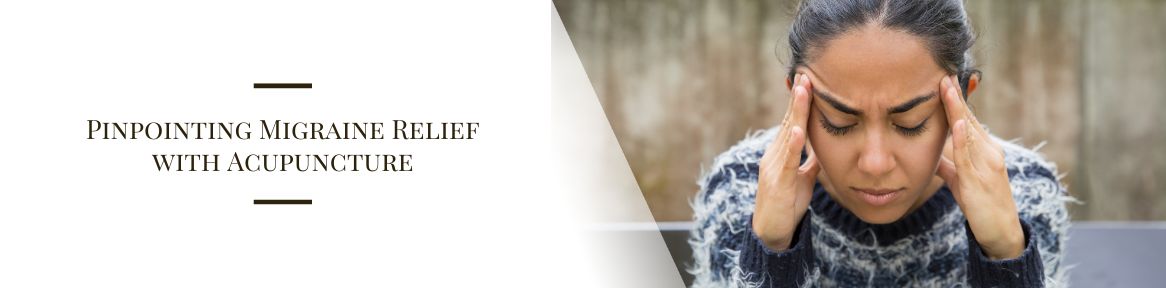
According to the CDC, in the United States, over 15 percent of all adults complain about severe headaches or migraines, with prevalence among women more than twice as high as among men. In 2021, 4.3% of adults aged ≥18 years reported being bothered a lot by headache or migraine in the past 3 months, with a higher percentage among women (6.2%) than men (2.2%).
Treatment options include medication that can often leave sufferers feeling groggy and unlike themselves for hours after taking it. Many people are looking for a drug-free way to combat the root cause of migraines and they’re finding it with acupuncture. Let’s look at how acupuncture can truly provide relief to those suffering from chronic migraines. continue reading
Unlocking the Basics of Acupuncture: Understanding Qi, Blood, Yin & Yang
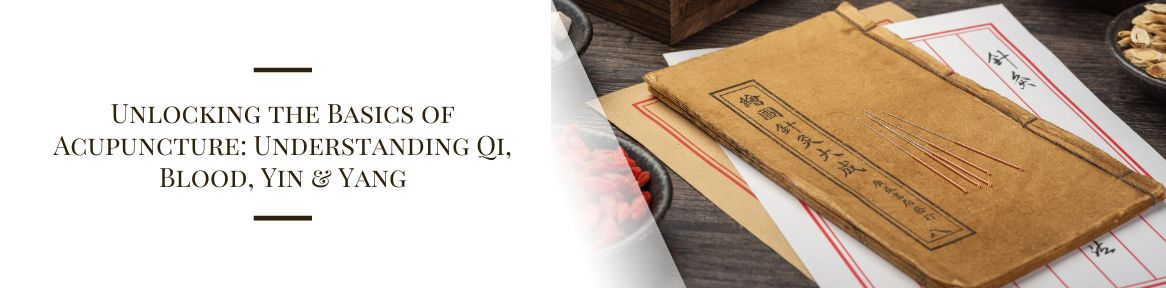
If you’ve been thinking about trying acupuncture but aren’t sure what to expect, this article just might be the best place to start. Let’s explore the basic concepts that form the foundation of acupuncture, including the nature of Qi, Blood, Yin, and Yang, and how these elements influence health and healing. continue reading
Discover Acupuncture’s Role in Digestive Health
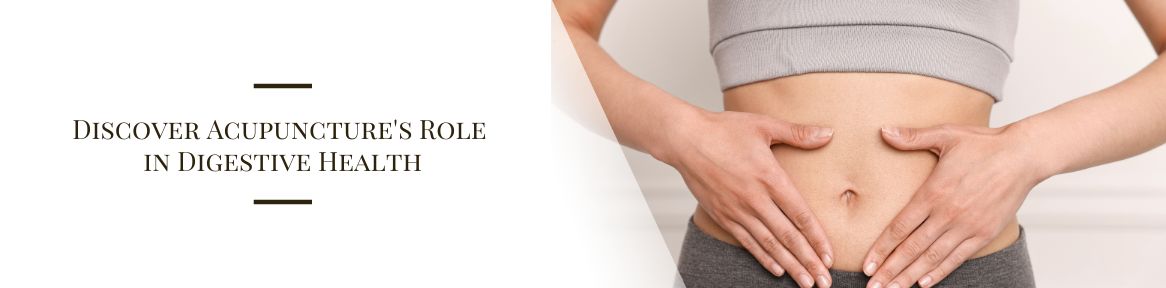
No matter how clean you eat and how healthy your lifestyle, you reach a certain age, and you might begin experiencing persistent bloating, abdominal discomfort, and irregular bowel movements. Conventional treatments may prove frustrating and provide little relief. It might be time to look for a drug-free, non-toxic alternative: acupuncture. continue reading